In 2023 I tried to digitalize my family business. I pulled it off. And failed anyway.
My father has been working in the energy efficiency sector for about 15 years. He was one of the first in my hometown to install solar panels, and still today, in 2026, he holds his ground in a market that has changed a lot.
Over time he expanded his services, but his commercial approach never changed: word of mouth only, no website, no social media. Born in 1956, these things were simply outside his world.
Meanwhile I had graduated and entered the world of consulting and innovation. So I decided to do something about it.
I started with a basic website, just to give him an online presence. Local competitors were already established on the web, on top of having physical stores, and not having even a landing page was a problem.
Then, while analyzing what national players were doing, I came across Otovo. A platform that allows users to request quotes and book installations through a single interface. I liked the business model. The market had rewarded them. I asked myself why not replicate it at a local level.
So I got to work.
Name, brand identity, marketing strategy. All things I enjoy, things I happily spend my free hours on, and still do today for other projects and clients.
Then came the real problem: building the platform.
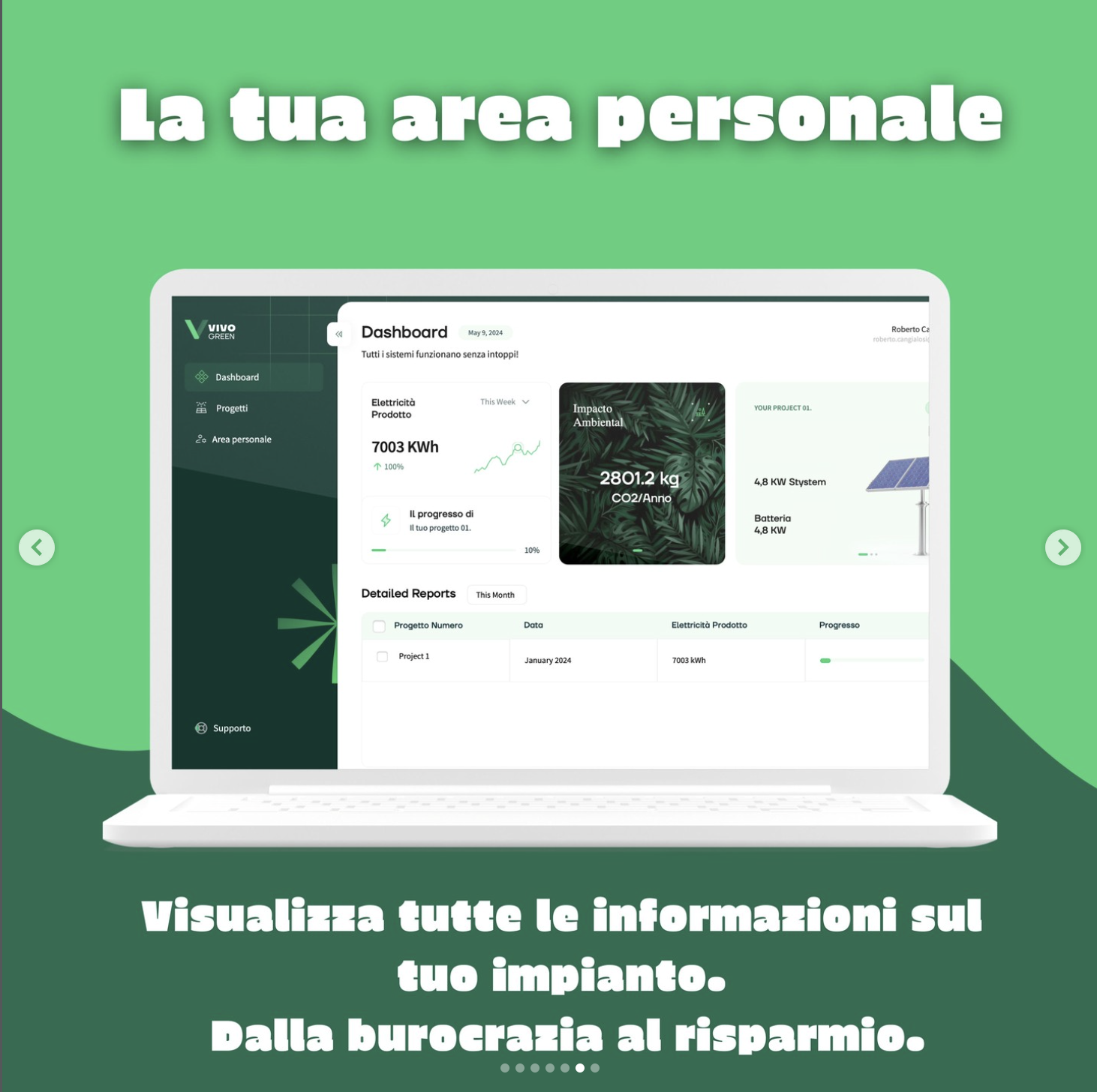
I mapped the workflow on Miro. Landing page, address input, rooftop selection via map, automatic analysis of dimensions and orientation, a form with questions about the property, email capture, quote generation. Easier said than done.
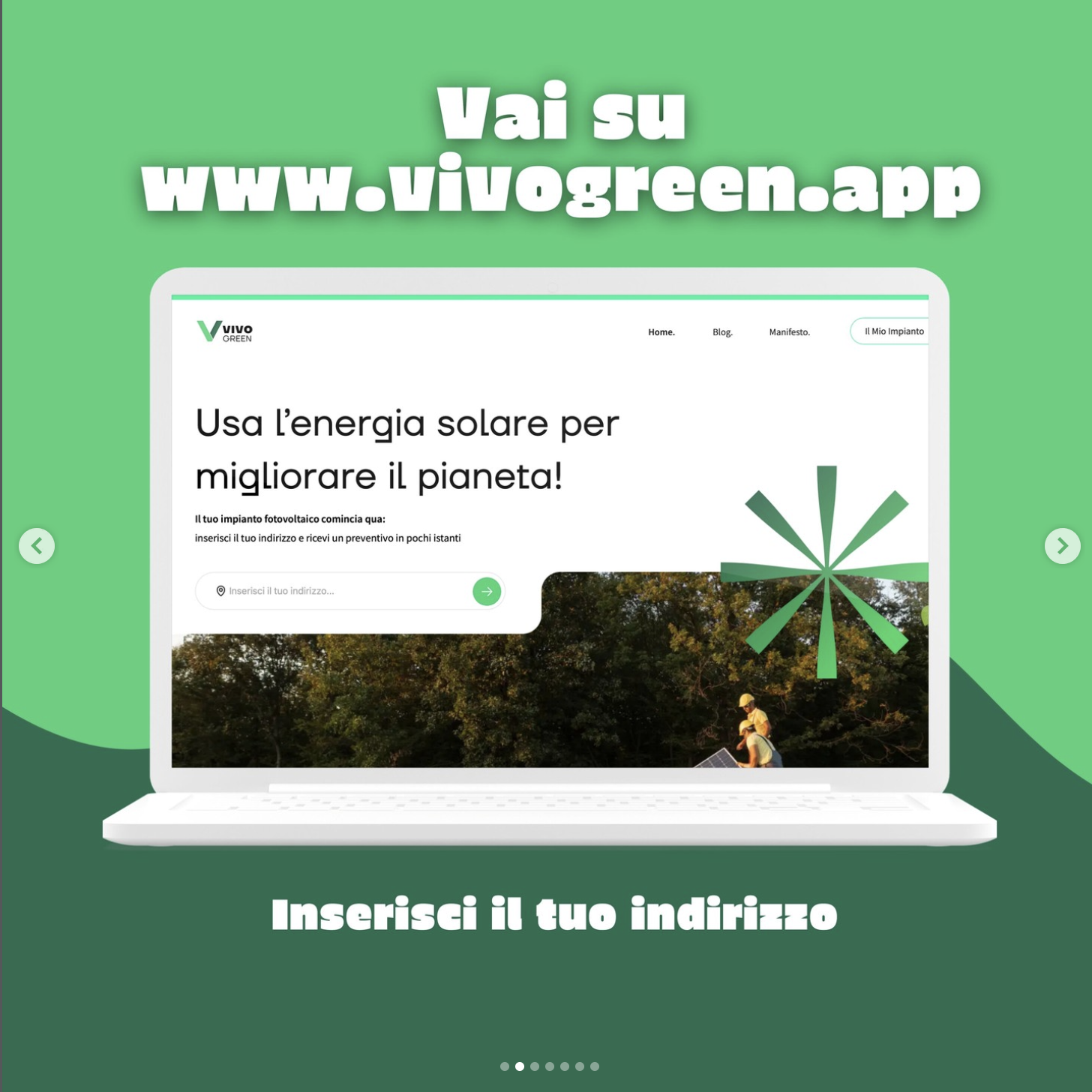
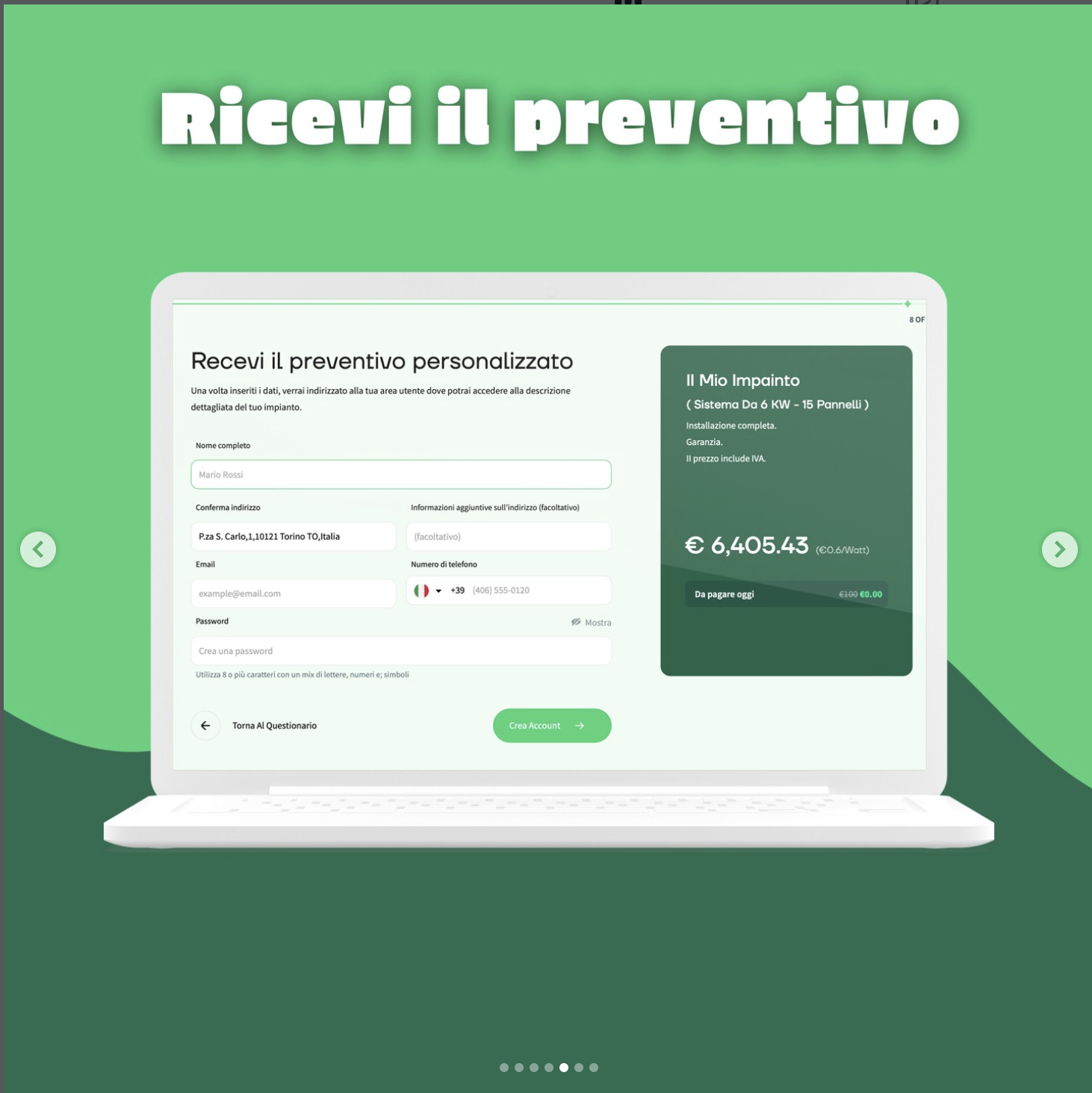
I posted the job on Upwork. Found a UX/UI designer and a developer. Two months of intense work, with a very tight budget and the constant feeling of having to figure everything out in real time.
The designer was fast and sharp. The developer was the problem. We couldn't align, endless bugs, infinite iterations on features I thought were simple. They weren't.
After two months we had half an architecture. By the third or forth, a working MVP. I added a newsletter, mail automation, Google Analytics. Opened social accounts, set up Google My Business, studied as much as I could. AI wasn't what it is today. There was no Claude walking me through it step by step. I was using ChatGPT to write blog posts, convinced SEO would reward me. I was wrong about that too.
To check the mobile version workflow → Here
Four more months of online campaigns, trial and error, a few likes on social media and money down the drain.
One single person called. Among all the forms filled out on the site, only one wasn't from a bot. When we called her back, she said she had never heard of VivoGreen.
I'm not sure there's a clear moral to this story, but I know I learned a lot.
The first thing I understood is that I had improvised. I had never managed a tech development project before, never dealt with a developer on a project I had to fully explain, never learned how to estimate timelines or validate quality. I figured it out while doing it, which is the worst (and sometimes the best) way to learn.
But what struck me most, looking around in the years that followed, is how many people find themselves in the same situation without realizing it.
Professionals convinced they dominate a field they only partially understand.
Marketing experts whose AI generated content reaches nobody.
Innovation experts who have never actually innovated anything, and struggle to use basic tools like Canva or Notion.
I'm not saying this to judge, because I've been there too. I'm saying it because self-awareness of your own limits, in any field, is the rarest and most useful thing there is.
Taking a step back and admitting you don't know enough is not weakness. It's the starting point for doing things better.
I learned it the hard way. But at least I learned it.